

Fentanyl is one of the most discussed drugs at present, and is seemingly in the news each and every day.
That’s especially the case in the western world and, in particular, the USA where there’s been a real crisis. It’s believed that a corner is being turned, with drug deaths hitting a five year low in the country, but President Trump continues to cite fentanyl as a major threat.
And that it is. Opiates addiction is still a huge problem in the USA and elsewhere, with fentanyl currently at the heart of that. Yet, still, with it hitting the headlines, with it killing so many people, there is still a lot people aren’t aware of around the drug.
Education is key and getting an understanding of fentanyl is something everyone should have. After all, drug addiction doesn’t discriminate. So, here are five things you need to be aware of with fentanyl…
It Is Extremely Potent
Fentanyl is estimated to be between 50 and 100 times stronger than morphine, and around 30 to 50 times stronger than heroin. That means an incredibly small amount can have a profound effect on the body. A few milligrams, the size of a few grains of salt, can be enough to cause a fatal overdose.
In medical settings, this potency makes it valuable for treating severe pain, such as that experienced after surgery or in cancer care. However, the same strength also makes it highly dangerous outside controlled environments, where doses cannot be precisely monitored.
It Is Often Mixed With Other Drugs
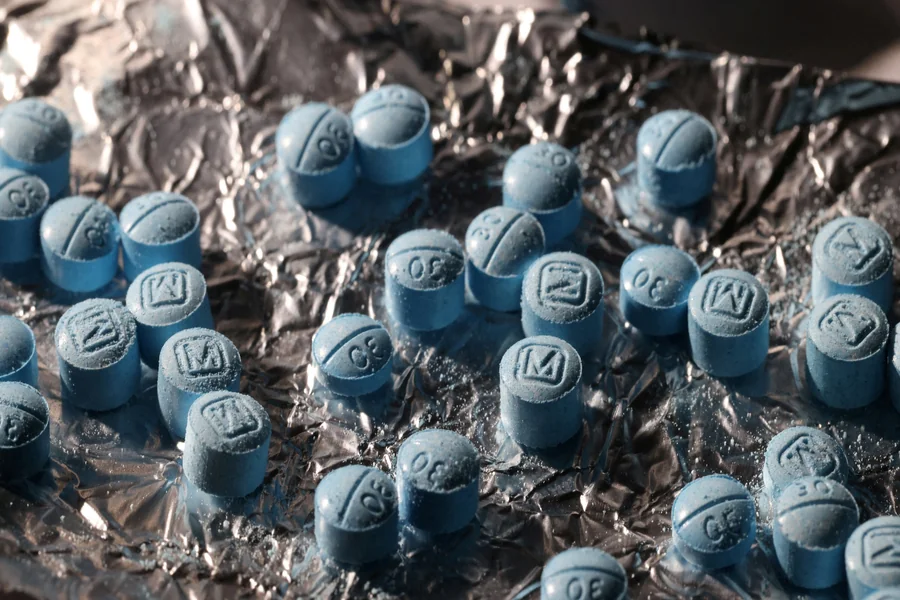
One of the most alarming aspects of fentanyl use is that people may consume it without realising. Drug dealers often mix fentanyl with heroin, cocaine, or counterfeit prescription pills because it is cheap and highly addictive. This makes it easier for them to stretch their supply and increase profits.
Unfortunately, this also means that users may think they are taking something less potent, when in fact they are ingesting a drug that could easily overwhelm their system. This hidden presence of fentanyl is a major factor in the sharp rise of accidental overdoses in recent years.
It Can Cause Rapid Overdose
Because fentanyl is so strong, the line between a dose that creates euphoria and one that causes overdose is extremely thin. Symptoms of overdose can appear within minutes and include slowed breathing, unconsciousness, and bluish lips or fingertips due to lack of oxygen. Without immediate medical attention, overdose is often fatal.
Emergency responders and healthcare providers frequently rely on naloxone, a life-saving medication that can temporarily reverse the effects of opioid overdose. However, with fentanyl, multiple doses of naloxone are sometimes required because of its strength.
It Creates Dependence Quickly
Like other opioids, fentanyl works by binding to receptors in the brain that regulate pain and reward. This not only numbs pain but also creates a powerful feeling of pleasure or euphoria.
The brain quickly adapts to this artificial stimulation, leading to tolerance and dependence. In practical terms, this means that a person may need increasingly larger amounts of the drug to feel the same effect, while also experiencing severe withdrawal symptoms if they stop. These symptoms, such as anxiety, insomnia, muscle pain, and nausea, make it incredibly difficult to quit without support, fuelling the cycle of addiction.
Awareness and Support Are Crucial
Finally, the dangers of fentanyl are not limited to those who misuse opioids. Because of its presence in counterfeit tablets and other illicit drugs, anyone experimenting with substances may be at risk. This makes awareness vital, particularly among younger people and those who may not consider themselves regular drug users. At the same time, stigma around addiction often prevents people from seeking help.
Compassion, education, and access to treatment services are essential if communities are to address the growing problem. From harm-reduction initiatives like wider naloxone distribution to support for recovery programmes, society’s response must be comprehensive.
