

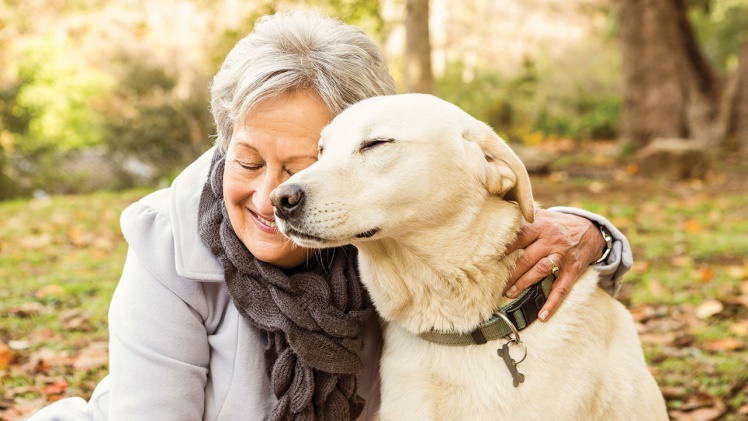
Pets have long been recognized for their therapeutic benefits, but they can be particularly valuable for individuals with disabilities. The companionship and support provided by pets can make a significant difference in the lives of people with disabilities, whether it’s a physical or mental disability topportal.
Pet ownership has several benefits for individuals with disabilities, offering both emotional and physical support. Besides providing companionship, pets can aid in stress relief, overall health, and boosting self-esteem. To further explore various aspects of mental and physical well-being that contribute to a healthier lifestyle, including nutrition and exercise, visit Geeks Health for expert advice and valuable resources to help improve quality of life
One of the most obvious benefits of pet ownership for individuals with disabilities is the emotional support that pets provide. Many people with disabilities may feel isolated or lonely, and pets can provide companionship and unconditional love. Studies have shown that pets can help reduce stress, depression, and anxiety, and improve overall well-being. Pets can also provide a sense of purpose and responsibility, which can be especially important for individuals who may have limited opportunities for employment or other meaningful activities mywikinews.
In addition to the emotional benefits, pets can also provide physical support for individuals with disabilities. Service dogs are trained to assist individuals with a range of disabilities, including visual impairments, hearing loss, mobility impairments, and seizure disorders. These highly trained dogs can perform tasks such as guiding their owners, alerting them to sounds or movements, retrieving objects, and even providing physical stability timesofnewspaper.
Therapy animals, which can be any type of pet, are also trained to provide comfort and support to individuals with disabilities. Therapy animals can visit hospitals, nursing homes, schools, and other settings to provide emotional support to individuals who may be facing difficult challenges. For example, therapy animals can help reduce stress and anxiety in individuals with developmental disabilities or mental health conditions newspaperworlds.
Pets can also help individuals with disabilities become more socially engaged. For example, service dogs can be a conversation starter and help their owners make new connections with people in their community. Pets can also provide opportunities for individuals with disabilities to participate in activities that may otherwise be challenging, such as walking or hiking Newsmartzone.
It’s important to note that owning a pet can also have its challenges for individuals with disabilities. Depending on the nature of the disability, caring for a pet may require additional support or accommodations. For example, an individual with a physical disability may need assistance with tasks such as feeding, grooming, and exercising their pet. Individuals with allergies or sensitivities may need to carefully consider the type of pet they bring into their home.
In conclusion, pets can make a significant difference in the lives of individuals with disabilities, providing emotional and physical support, promoting social engagement, and improving overall well-being. While owning a pet can have its challenges, the benefits of pet ownership are clear and can help individuals with disabilities live happier and more fulfilling lives 123musiq.ws.
