

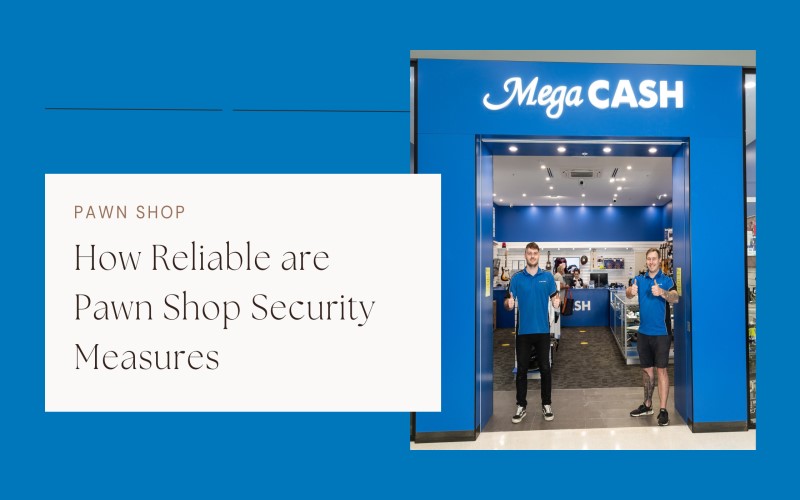
Many people wonder whether their valuables are safe when they visit a pawn shop. The straightforward answer is yes. Reputable cash converters in Sydney, such as pawnbrokers, adhere to strict state laws that mandate security systems and frequent inspections to ensure transparency and safety. Beyond legal obligations, pawn shops give prominence to security to prevent theft and maintain customer trust. Given their close collaboration with law enforcement agencies, these businesses operate under vigilant monitoring, ensuring a secure environment for customers seeking instant cash loans or selling valuables.
Understanding the Pawning Process
When you visit a pawn shop, the process is straightforward. You bring in an item of value, agree on a price, and receive a loan and a detailed receipt containing the terms. Your item is then securely stored, often in safes or vaults, to prevent damage or theft. If you’re concerned about leaving behind a family heirloom or valuable possessions, rest assured that pawn shops take extensive security measures to protect these items. Criminals often target valuable assets, but pawn shops have implemented various security strategies to mitigate risks.
Security Measures Implemented by Pawn Shops
Pawn shops implement multiple layers of security to ensure their inventory and customer belongings are well-protected. Those still questioning, “Are pawn shops secure?” can find comfort in the vigorous security systems that pawn shops have. Some of the security measures include:
- Advanced Surveillance Systems: High-quality CCTV cameras are installed throughout the premises, providing 24/7 monitoring to deter criminal activity and track movements in and around the store.
- Alarm Systems and Panic Buttons: Pawn shops often have motion sensors, silent alarms, and panic buttons to alert authorities in case of suspicious activities.
- Secure Storage: Items pawned for quick cash loans are kept in safes, vaults, or stockrooms with restricted access, ensuring their safety until reclaimed.
- Armed Staff and Security Personnel: Many pawn shops employ trained staff or security guards to deter potential robberies. In some cases, guard dogs are also used to provide additional protection.
These stringent security measures help safeguard pawn shops and provide peace of mind to customers looking to convert their valuables into cash.
Insurance Policies for Added Protection
Reputable pawn shops are legally required to maintain insurance policies that cover theft, fire, and other potential damages. Customers can expect reimbursement for their lost items if a break-in event occurs. However, insurance coverage only applies when the item is in the pawn shop’s possession and does not cover it before the deal is made and not after the customer reclaims the item.
Customers must also adhere to loan terms, as failure to repay on time results in forfeiture of ownership. These insurance policies benefit pawn shops and customers by ensuring financial protection and maintaining confidence in the industry.
Routine Audits and Legal Compliance
Government agencies conduct regular audits of pawn shops to ensure compliance with legal standards. Some states require pawn shops to submit daily records of acquired items to centralised databases to track stolen goods. Additionally, pawn shops cannot accept items with tampered serial numbers or questionable origins. These inspections and legal requirements provide a secure business environment, reassuring customers that their belongings are handled professionally.
Pawn shops must comply with local and federal regulations mandating robust security measures such as alarm systems, safes, and surveillance cameras. Failure to meet these requirements can lead to hefty fines or even the closure of the business. Additionally, pawn shops carry civil liability, which means they are responsible for handling stolen or damaged items and must ensure the legitimacy of all transactions.
The Importance of Pledge Contracts
Every pawn transaction undergoes a pledge contract outlining the loan terms, repayment period, interest rates, and conditions for retrieving pawned items. These agreements protect the pawn shop and the customer by clearly defining responsibilities. Customers seeking a quick cash loan can refer to the contract to know their obligations. If a customer fails to repay their loan, the pawn shop legally assumes ownership of the item and can sell it to recover costs.
In the unlikely event of theft or damage, the pledge contract specifies the liability terms and any potential compensation the customer may receive. These agreements eliminate misunderstandings and ensure a smooth transaction process for all parties involved.
Final Thoughts: How Secure Are Pawn Shops?
If you’re considering visiting a second-hand dealer or want cash for gold, rest assured that pawn shops have extensive security measures.
While it’s natural to worry about leaving valuable items behind, the fact is that pawn shops experience fewer robberies than many other retail businesses due to their rigorous security systems and legal compliance.
Moreover, pawn shops invest in maintaining their reputation and customer trust. With surveillance cameras, insurance policies, and cooperation with law enforcement, pawn shops provide a safe environment for people seeking financial assistance through instant cash loans. Whether looking for a quick financial solution or simply selling unused items, pawn shops offer a secure and reliable option.
Understanding the security measures and legal requirements pawn shops adhere to – customers can confidently engage in transactions, knowing their valuables are well-protected.
